10 Essential Elements of Effective Website Design for Small to Medium Businesses: An Infographic Guide

Introduction

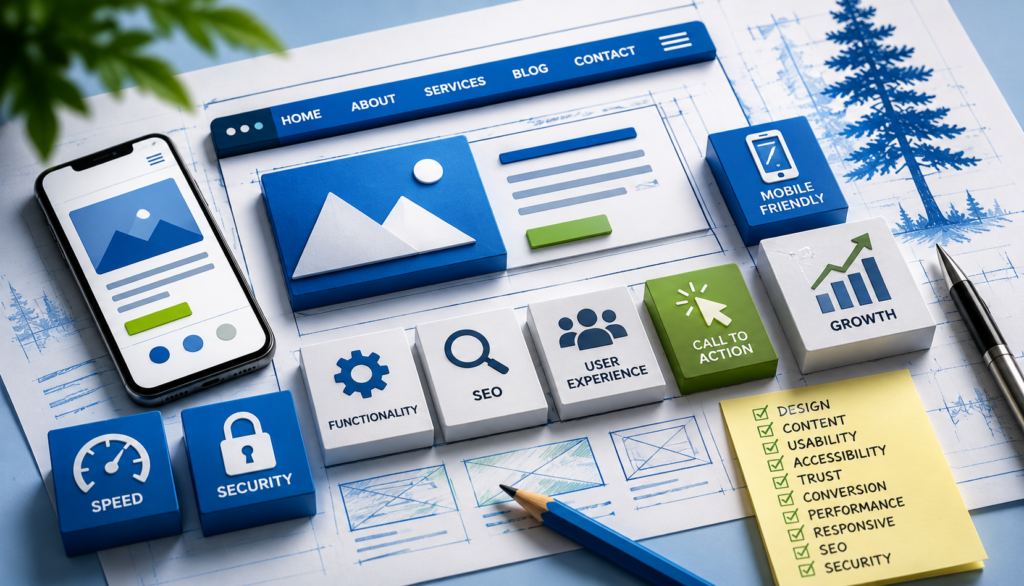
The significance of effective website design cannot be overstated, especially for small to medium businesses (SMBs) striving to establish a robust online presence. A well-designed website serves as the cornerstone of a business’s digital strategy, impacting user experience, brand perception, and ultimately, conversion rates. This article will provide an in-depth exploration of ten essential elements of effective website design, each accompanied by practical insights that entrepreneurs and professionals can implement to enhance their websites. This guide also includes an infographic summarizing these key elements for quick reference.

Element 1: User-Centric Design

Understanding User Needs

User-centric design focuses on creating a website that meets the needs and expectations of its users. To achieve this, businesses must conduct thorough research to identify their target audience’s preferences, behaviors, and pain points. This can involve surveys, interviews, and analytics to gather insights into how users interact with existing websites and what features they find most valuable.

By understanding user needs, businesses can tailor their website design to create a more engaging experience. This includes considering factors such as user demographics, browsing habits, and content preferences. Ultimately, a user-centric approach enhances satisfaction and encourages repeat visits, contributing to long-term business success.

Creating Intuitive Navigation

Intuitive navigation is a critical aspect of user-centric design. A well-organized navigation structure allows users to find information quickly and easily, reducing frustration and improving overall satisfaction. Best practices for creating intuitive navigation include limiting the number of menu items, using clear and descriptive labels, and employing a logical hierarchy that guides users naturally through the website.

Additionally, incorporating a search function can further enhance user experience, enabling visitors to locate specific content without having to dig through multiple layers of navigation. Testing navigation with real users can provide valuable feedback, helping businesses refine their approach to ensure optimal usability.

Element 2: Mobile Responsiveness

Statistics on Mobile Usage

With mobile devices accounting for over half of all web traffic, ensuring that a website is mobile-responsive is non-negotiable. A mobile-responsive design adapts seamlessly to various screen sizes and orientations, providing a consistent user experience across devices. This is particularly crucial as search engines like Google prioritize mobile-friendly websites in their rankings, making it essential for businesses to optimize their sites for mobile users.

As users increasingly rely on smartphones and tablets for browsing, online shopping, and other activities, a mobile-responsive design not only enhances usability but also positively impacts SEO, visibility, and conversion rates. Ignoring mobile responsiveness can result in a significant loss of potential customers and revenue.

Best Practices for Mobile Design

When designing for mobile, businesses should focus on optimizing load times, simplifying content, and ensuring that buttons and links are easily clickable. This can include using larger fonts, minimizing pop-ups, and employing a single-column layout to facilitate scrolling. Additionally, testing the website on various devices and screen sizes is vital to identify usability issues that may arise.

Incorporating responsive design frameworks, such as Bootstrap or Foundation, can also streamline the development process and ensure that the website is adaptable to a wide range of devices. Prioritizing mobile design is an investment that pays dividends in user engagement and satisfaction.

Element 3: Fast Loading Times

Impact on User Experience

Fast loading times are crucial for providing an optimal user experience. Research indicates that users are highly likely to abandon a website if it takes longer than three seconds to load. Slow-loading sites not only frustrate users but can also lead to decreased search engine rankings, as speed is a significant ranking factor. Therefore, optimizing website performance is essential for retaining visitors and improving SEO.

To enhance loading times, businesses should consider minimizing file sizes, optimizing images, and leveraging browser caching. Simplifying code and reducing the number of HTTP requests can also contribute to improved speed. Regularly monitoring site performance using tools like Google PageSpeed Insights or GTmetrix can help identify areas for enhancement and ensure that the website remains fast and responsive.

Tools for Testing Speed

Several tools can assist businesses in monitoring and improving website loading times. Google PageSpeed Insights provides detailed reports on both mobile and desktop performance, along with actionable recommendations for optimization. GTmetrix offers a comprehensive analysis, including loading times, page size, and performance scores, while WebPageTest allows users to test load times across different browsers and devices. Utilizing these tools regularly can help identify performance bottlenecks and ensure a consistently fast user experience.

Element 4: Clear Call-to-Action (CTA)

Importance of CTAs

Clear and compelling calls-to-action (CTAs) are essential for guiding users toward desired actions, such as signing up for a newsletter, making a purchase, or contacting the business. A well-placed and thoughtfully designed CTA can significantly impact conversion rates and overall site performance. Businesses should carefully consider their CTAs’ wording, placement, and design to ensure they stand out and resonate with users.

Effective CTAs should communicate a sense of urgency or value, encouraging users to take action without delay. Testing different variations of CTAs can help identify what resonates most with the target audience, leading to optimized performance and increased conversions.

Designing Effective CTAs

When designing CTAs, businesses should use contrasting colors to make them stand out from the rest of the page. The text should be concise, action-oriented, and clearly convey the benefit of clicking the button. Incorporating visually appealing design elements, such as arrows or icons, can also enhance the CTA’s visibility. Ensuring that CTAs are strategically placed throughout the website, particularly in high-traffic areas, can maximize engagement and drive conversions.

Element 5: High-Quality Visuals

Role of Imagery in Engagement

High-quality visuals play a pivotal role in capturing users’ attention and enhancing engagement. Images, videos, and infographics can communicate information more effectively than text alone, making them powerful tools for conveying brand messages and driving user interaction. Businesses should prioritize the use of relevant and high-resolution visuals that align with their brand identity and resonate with their target audience.

Visuals should be strategically integrated into the overall design, complementing the content rather than overwhelming it. By using imagery that reflects the brand’s values and mission, businesses can create a more cohesive and engaging user experience, fostering a deeper connection with visitors.

Choosing the Right Visuals

When selecting visuals, businesses must consider their target audience and the message they wish to convey. Stock photos can be a convenient option, but custom photography often yields better results in terms of authenticity and brand representation. Additionally, businesses should ensure that all visuals are optimized for web performance, as large file sizes can negatively impact loading times.

Incorporating videos can also enhance user engagement and provide a dynamic way to communicate information. Tutorials, testimonials, and promotional videos can help convey complex ideas clearly and engagingly, making them valuable additions to any website.

Element 6: Consistent Branding

Establishing Brand Identity

Consistent branding across a website is vital for establishing a strong brand identity and fostering trust with users. This includes using uniform color schemes, typography, logos, and messaging that reflect the brand’s values and personality. Consistency helps users recognize and remember the brand, contributing to a more cohesive user experience.

When businesses maintain a consistent brand presence, they cultivate familiarity and loyalty among users, which can lead to higher conversion rates. Businesses should establish brand guidelines that outline how to implement branding elements effectively across all digital platforms, ensuring a unified presence online.

Maintaining Visual Consistency

Visual consistency is crucial not only for branding but also for creating a polished and professional appearance. This involves using the same design elements across various pages, ensuring that buttons, headings, and colors align with the overall aesthetic. Regularly auditing website elements can help identify areas that may need adjustment to maintain consistency.

Incorporating brand storytelling through visuals and content can further strengthen brand identity and foster emotional connections with users. By sharing the brand’s mission, values, and unique selling propositions, businesses can create a compelling narrative that resonates with their audience.

Element 7: Accessible Design

Understanding Accessibility Needs

Accessibility is a fundamental aspect of website design that ensures all users, including those with disabilities, can access and interact with content. An accessible website complies with the Web Content Accessibility Guidelines (WCAG), making it usable for individuals with visual, auditory, motor, or cognitive impairments. By prioritizing accessibility, businesses not only comply with legal requirements but also demonstrate inclusivity and social responsibility.

To understand accessibility needs, businesses should familiarize themselves with the diverse challenges that users may face when navigating websites. This knowledge can inform design decisions and help create a more inclusive environment for all users.

Best Practices for Accessibility

Implementing best practices for accessibility includes providing alternative text for images, ensuring sufficient color contrast, and using descriptive link text. Additionally, businesses should consider keyboard navigation and ensure that all interactive elements are operable without a mouse. Testing the website with screen readers and involving users with disabilities in the testing phase can provide valuable insights into the accessibility of the design.

Investing in accessible design not only enhances user experience but also broadens the audience reach, as it allows individuals with disabilities to engage with the brand fully.

Element 8: SEO Optimization

Importance of SEO for Visibility

Search Engine Optimization (SEO) is a critical element of website design that impacts visibility and online discoverability. A well-optimized website is more likely to rank higher in search engine results, driving organic traffic and increasing brand awareness. Businesses must incorporate SEO best practices throughout the design process, from structuring content to optimizing metadata.

Beyond traditional keyword optimization, businesses should consider user intent and the overall user experience when implementing SEO strategies. By aligning content with user search queries and providing valuable information, businesses can enhance their chances of ranking well while delivering meaningful experiences.

Key SEO Elements to Consider

Key SEO elements to consider include optimizing page titles and meta descriptions, using header tags appropriately, and ensuring that content is easily indexable by search engines. Additionally, creating an XML sitemap and implementing structured data can assist search engines in understanding the website’s structure and content, leading to improved visibility.

Regularly updating content and monitoring performance through analytics tools can help businesses stay ahead in the ever-evolving world of SEO, ensuring that their websites continue to attract traffic and engage users effectively.

Element 9: Engaging Content

Creating Valuable Content

Engaging content is essential for capturing users’ attention and encouraging them to explore the website further. Businesses should focus on creating valuable, relevant, and informative content that addresses users’ needs and interests. This can include blog posts, articles, case studies, and videos that provide insights, tips, and solutions related to the brand’s offerings.

Valuable content not only keeps users engaged but also positions the business as a thought leader in the industry. By offering unique perspectives and expert insights, businesses can build credibility and trust among their audience, leading to increased brand loyalty and potential conversions.

Content Formats That Work

There are various content formats that businesses can utilize to engage users effectively. Infographics, for instance, can present complex information in a visually appealing and digestible manner. Interactive content, such as quizzes or polls, can encourage user participation and enhance engagement. Additionally, leveraging storytelling techniques in content creation can create emotional connections with users, making the brand more relatable and memorable.

Regularly updating and refreshing content can keep the website relevant and encourage return visits. Businesses should also encourage user-generated content, such as reviews and testimonials, to enhance credibility and foster community interaction.

Element 10: Analytics and Feedback

Importance of Data Tracking

Data tracking is an essential aspect of website design that enables businesses to monitor performance, user behavior, and engagement metrics. By utilizing analytics tools, such as Google Analytics, businesses can gain insights into how users interact with their website, identifying popular pages, traffic sources, and user demographics. This data is invaluable for making informed design and content decisions.

Regularly analyzing website analytics allows businesses to identify trends, assess the effectiveness of marketing strategies, and uncover areas for improvement. This data-driven approach empowers businesses to adapt their website design and content to better meet user needs and enhance overall performance.

Tools for Gathering Feedback

Gathering user feedback is equally important for understanding the user experience and identifying potential pain points. Businesses can utilize surveys, feedback forms, and usability testing to collect valuable insights directly from users. Engaging users in the feedback process fosters a sense of community and shows that the business values their opinions.

Incorporating user feedback into the design process can lead to continuous improvement and optimization, ultimately resulting in a more user-friendly and effective website. By prioritizing analytics and feedback, businesses can create a responsive and evolving online presence that meets the needs of their audience.

Conclusion

In summary, effective website design encompasses a multitude of elements that work together to create a positive user experience and drive business success. From user-centric design and mobile responsiveness to fast loading times and engaging content, each component plays a vital role in enhancing the overall performance of a website. By implementing the ten essential elements outlined in this guide, small to medium businesses can improve their online presence, attract more visitors, and convert them into loyal customers.

As the digital landscape continues to evolve, businesses must remain adaptable and committed to refining their websites to meet user expectations and industry standards. The journey of website design is ongoing, and staying informed about best practices will ensure long-term success in the competitive online marketplace.

FAQs

What are the key elements of effective website design?

The key elements include user-centric design, mobile responsiveness, fast loading times, clear calls-to-action, high-quality visuals, consistent branding, accessible design, SEO optimization, engaging content, and analytics and feedback.

Why is mobile responsiveness important for websites?

Mobile responsiveness is crucial because a significant portion of web traffic comes from mobile devices. A mobile-friendly design enhances user experience, improves SEO rankings, and increases conversion rates.

How do I improve my website’s loading speed?

You can improve loading speed by optimizing images, minimizing file sizes, reducing HTTP requests, and leveraging browser caching. Regular testing using performance tools can help identify areas for enhancement.

What role does SEO play in website design?

SEO plays a critical role in improving a website’s visibility in search engine results. Optimizing design elements like titles, meta descriptions, and content structure helps attract organic traffic.

How can I gather user feedback on my website?

You can gather user feedback through surveys, feedback forms, and usability testing. Engaging users in the feedback process can provide valuable insights for improving the website.

Recent Posts

Free Audit

Get a Free Website Audit

Find out what’s holding your site back. We’ll check speed, SEO, and mobile performance, no strings attached.

Popular Tags

More From the Blog

Local SEO

Blogging for Local SEO in East Texas

Does a business blog help you rank? MasseyMedia shows Lufkin and East Texas owners why blogging for local SEO works, and what to write about.

Matt Massey 5 min read
Read More

Ready to Improve Your Website's SEO in East Texas?

MasseyMedia has helped Lufkin businesses rank higher, get more calls, and grow online since 1999.